Hal Moores
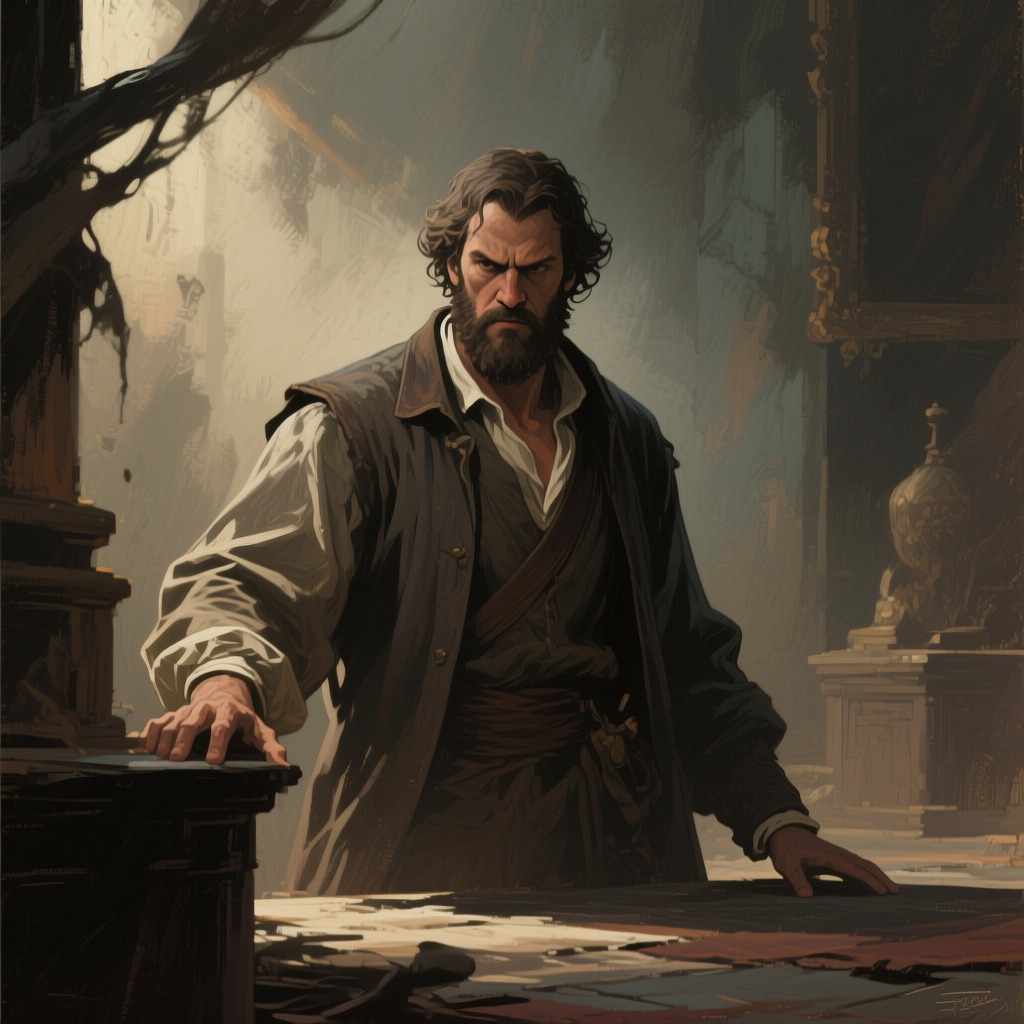
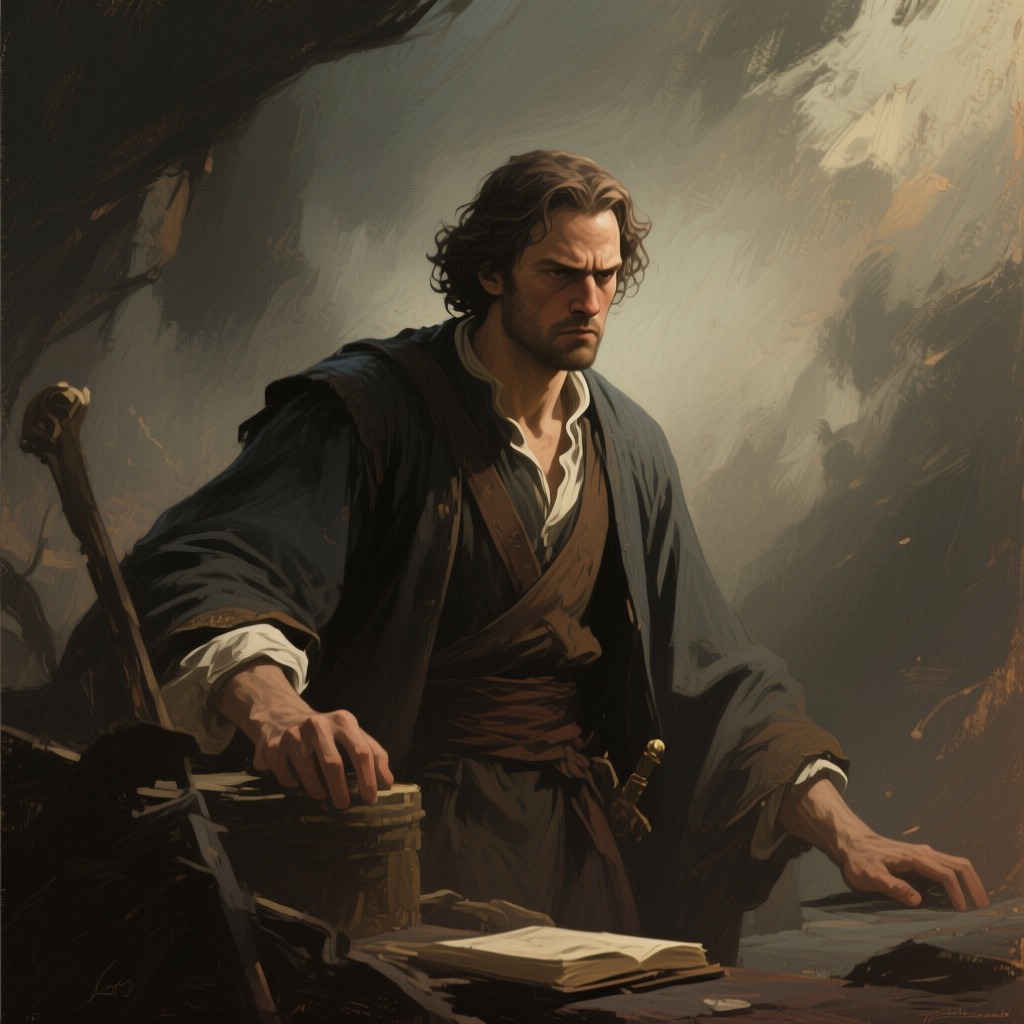
Hal Moores, the warden of Cold Mountain Penitentiary during the fall of 1932, was the last and best of the three wardens Paul Edgecombe served under. Honest, straightforward, and equipped with just enough political savvy to keep his job during the grim years of the Great Depression, Moores possessed an integrity that kept him from being seduced by the game of prison politics. He would not rise any higher, but that seemed all right with him. In his late fifties, with a deeply lined bloodhound face and white hair, his hands shook with some sort of palsy, but he was physically strong: the year before, when a prisoner rushed him in the exercise yard with a shank, Moores stood his ground, grabbed the man's wrist, and twisted it so hard the snapping bones sounded like dry twigs burning in a hot fire.
Relationship with Paul Edgecombe and the Burden of Command
Moores and Edgecombe had known each other for five years, a long time for men who got on well, especially when part of the job was trading life for death. Moores understood what Edgecombe meant when he said he did not know how much longer he could tolerate Percy Wetmore on E Block. When Edgecombe complained about Percy, Moores did not simply order him to endure; he revealed that Percy had an application in at Briar Ridge, a state-run hospital, and that his application would be accepted. Moores advised Edgecombe to put Percy out front for Delacroix's execution, arguing that if Percy wanted to experience an execution up close, letting him do so would get rid of him. "Delacroix's nuts are going to cook whether Wetmore's on the team or not," Moores pointed out with cynical accuracy, and Edgecombe agreed to the gamble.
The Illness of Melinda Moores
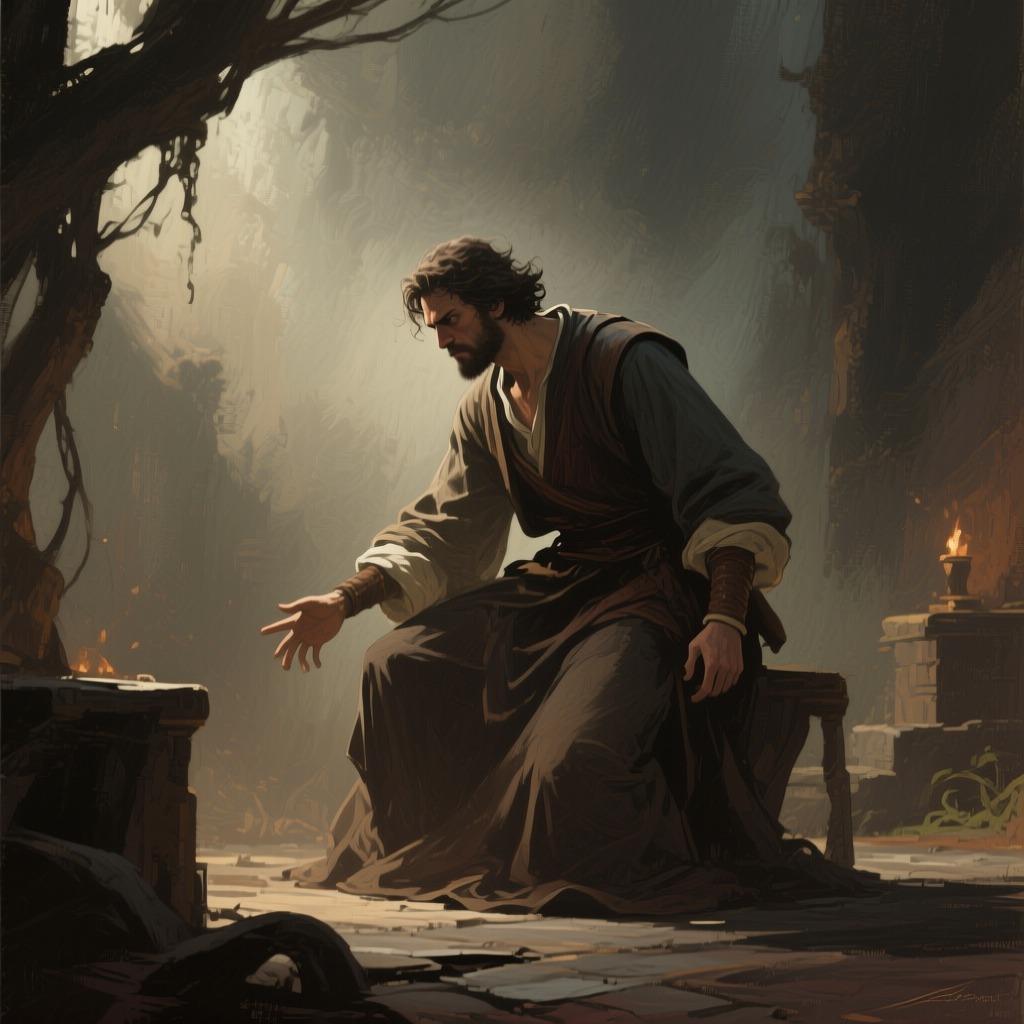
Moores's wife, Melinda, had developed headaches in the spring of 1932, and by the fall she had developed a weakness in her right hand. Her doctor wanted her to go into the hospital at Indianola for head X-rays. Moores told Edgecombe that she was scared to death, and that he was too. When Edgecombe suggested that if it turned out to be something they could see with an X-ray, it might be something they could fix, Moores agreed, but the naked understanding between them needed no words: it could be a stroke, or it could be a cancer growing in her brain, and in 1932 the chances that the doctors could do anything about it were slim. When Edgecombe arrived at Moores's office early one morning, he found the warden with his white hair sticking up in tufts and tangles, his hands in it, yanking and pulling, his eyes raw and the skin beneath them puffy and swollen. Moores told him that the doctors had X-ray pictures of a brain tumor the size of a lemon, way down deep inside where they could not operate, and that she would be dead by Christmas. He began to cry, big gasping sobs, and groped out for Edgecombe with both arms like a drowning man, sobbing against his stomach, all restraint washed away.
The Night Journey and Its Aftermath
On the night after Delacroix's botched execution, Edgecombe, Brutus Howell, Harry Terwilliger, and Dean Stanton took John Coffey out of the prison through the tunnel and drove to Moores's house on Chimney Ridge in Harry's Farmall truck. Moores, awakened by the truck's engine, came to the door in his blue pajama pants and strap-style tee-shirt, holding his grandfather's Ned Buntline Special pistol, fully cocked. When he saw Coffey, he raised the gun again, intending to shoot, but Harry Terwilliger stepped in front of Coffey and John Coffey himself took control, plucking the pistol from Moores's hand and saying, "I want to help. I came to help her. Just to help." Coffey entered the house and healed Melinda, drawing the tumor out of her through a kiss. Afterward, Moores sat on the bed with his wife, stroking her brow, and when she asked who the Negro man was, he could only stare at her with disbelief as color blushed into her cheeks and some of her hair went back to black. When Edgecombe told him they had to go and that they had never been there, Moores forced himself to focus and asked if they could get Coffey back in. He then put out his hand to John Coffey and said, "Thank you. Thank you so much." Coffey took the hand and gave it a shake.
The Execution of John Coffey
On the night of John Coffey's execution, Moores was in his office, buttoning up his overcoat, his face pale and his hands shaking so badly that he was making quite a production of those buttons. He told Edgecombe he would not be staying for this one, that Curtis Anderson would be there, and that he knew Coffey would be in good hands with Edgecombe and Brutus. When Edgecombe asked if there was any word on Percy, Moores said Percy was still at Indianola, being evaluated, and that if there was no improvement, he would be moving along soon. He asked Edgecombe how Coffey was holding up, and Edgecombe nodded and said he would be fine. Moores nodded back, then went to the door, looking old and ill. "How can so much good and so much evil live together in the same man?" he asked. "How could the man who cured my wife be the same man who killed those little girls? Do you understand that?" Edgecombe told him he did not, that the ways of God were mysterious, and Moores nodded the whole time, looking sort of exalted. He could afford to nod, Edgecombe thought, because he had a wife to go home to, his companion to go home to, and she was fine. Thanks to John Coffey, she was well and fine, and the man who had signed John's death warrant could leave and go to her. He did not have to watch what came next.
Later Years
Melinda Moores died of a heart attack, not a brain tumor, ten or eleven years later, in 1943. Hal Moores died of a stroke around Pearl Harbor Day, so she outlived him by two years. Edgecombe reflected that it was sort of ironic.